AI's Contribution to Climate Change Mitigation
Climate change is one of the most pressing issues confronting our planet today. Rising temperatures, rising sea levels, and an increase in the frequency of extreme weather events are all caused by increased greenhouse gas emissions from human activities such as deforestation and the use of fossil fu
Climate change is one of the most pressing issues confronting our planet today. Rising temperatures, rising sea levels, and an increase in the frequency of extreme weather events are all caused by increased greenhouse gas emissions from human activities such as deforestation and the use of fossil fuels. We need innovative solutions that reduce emissions, increase resilience, and adapt to environmental change to address this global issue.
AI has evolved in a wide range of fields, from analyzing massive amounts of data on various environmental trends to optimizing resource use and mitigating the impact of human activities on climate. Some of the ways artificial intelligence is addressing climate change are listed below:
Modeling and Prediction of Climate
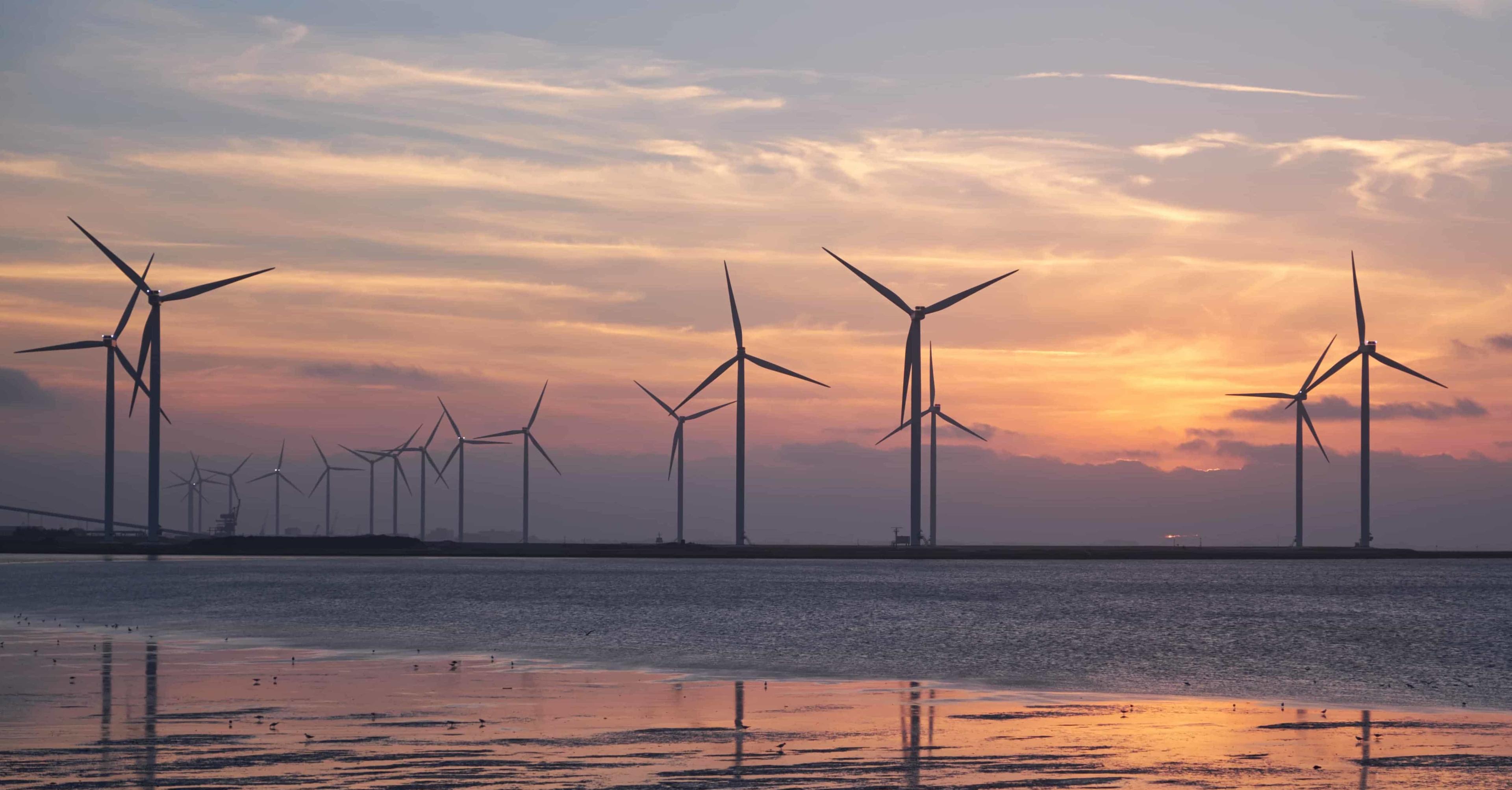
Understanding how the climate system works and predicting how it will change are two of the most difficult challenges in combating climate change. Complex climate models capable of simulating the interactions between the atmosphere, ocean, land, and ice are required. AI systems are being used to optimize the parameters of these models, reducing uncertainties and incorporating new data sources to help them become more efficient and accurate. For example, Google's DeepMind has developed a machine-learning model to predict how much electricity wind turbines will generate up to 36 hours in advance. This can reduce the need for fossil fuel backup and allow grid operators to better control wind output fluctuation.
Energy Efficiency and Enhancement
Artificial intelligence (AI) systems are used to combat climate change by improving energy efficiency and optimization. This reduces the energy used by buildings, vehicles, and industries while increasing the production and distribution of renewable energy sources. AI can collect data from sensors, meters, and other sources to identify trends and irregularities in energy consumption and recommend solutions to improve efficiency and reduce waste. For example, the Italian energy conglomerate Enel increased energy production by 5% by using AI to improve the operation of its hydropower units.
Natural Resource Management
AI systems can help with conservation and resource management efforts. This includes monitoring and managing wildlife populations, forests, and oceans and identifying and mitigating climate change's effects on ecosystems and biodiversity.
Wildlife Insights, a collaboration between Google and numerous conservation organizations, is one project that uses AI to assess camera trap images and identify species in real-time. This can help researchers better understand the distribution and behavior of wildlife by informing conservation methods.
Climate Risk Assessment and Adaptation
Artificial intelligence systems can also assess the risks and consequences of climate change on human civilizations and infrastructure. Assisting in the management of these effects. This includes developing adaptable methods and technology to predict and mitigate the impact of rising sea levels, extreme weather events, and other climate-related hazards. The World Bank, for example, has created a machine-learning model that can predict the likelihood and severity of floods in various parts of the world. This can help communities and governments prepare for and respond to floods more effectively.
Summary of findings
AI has the potential to significantly contribute to the fight against global climate change by providing insights, predictions, and recommendations based on a wealth of data. However, AI is not the only solution, and its effectiveness is dependent on the quality and accessibility of data, as well as the moral and unbiased application of these technologies. While using AI to combat climate change, one must also consider the consequences and work towards maintaining sustainable AI.

 Let's talk about your next project!