Influencer Marketing in 2026: Strategy, Structure, and Sustainable Growth
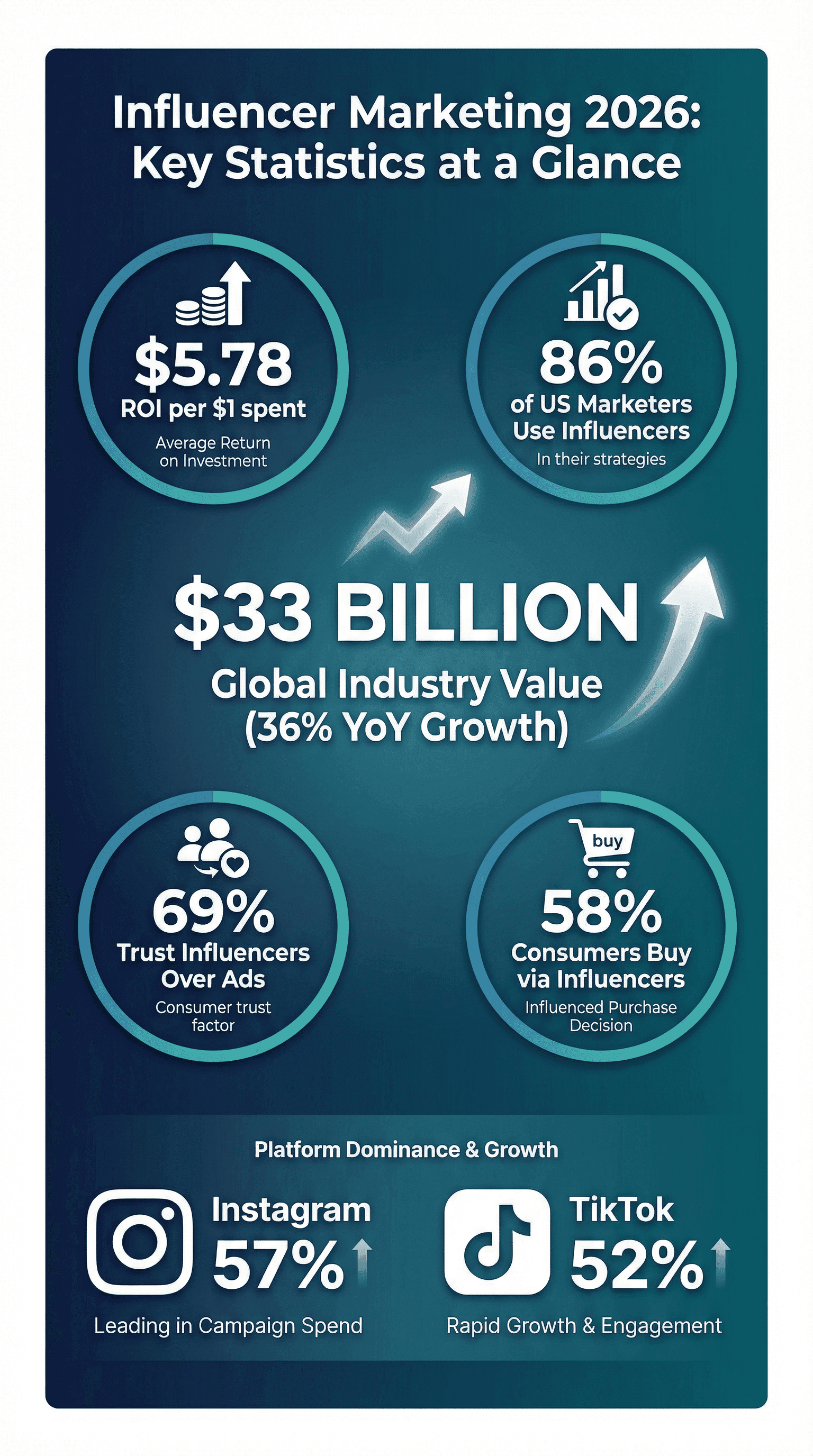
Influencer marketing in 2026 has evolved into a disciplined, performance-oriented marketing channel. What began as experimental collaborations with social media personalities is now a structured ecosystem driven by data, long-term partnerships, and measurable business outcomes.
Influencer Marketing in 2026: Strategy, Structure, and Sustainable Growth
Influencer marketing in 2026 has evolved into a disciplined, performance-oriented marketing channel. What began as experimental collaborations with social media personalities is now a structured ecosystem driven by data, long-term partnerships, and measurable business outcomes.
Brands no longer view influencers as short-term promotional tools. Instead, creators are strategic partners who play a critical role in customer acquisition, brand trust, and revenue generation.
The Maturation of Influencer Marketing
By 2026, influencer marketing has moved firmly into the core marketing stack. Budget allocation has shifted from traditional display advertising toward creator-led content because of its ability to deliver credibility, relevance, and audience alignment.
Key characteristics of this maturation include:
- Formalized contracts and compliance standards
- Clear performance benchmarks tied to business goals
- Integration with paid media, CRM systems, and sales funnels
Influencer marketing is now evaluated with the same rigor as paid search, email marketing, or conversion-focused advertising.
Long-Term Partnerships Over One-Off Campaigns
One of the most significant shifts in 2026 is the dominance of long-term creator partnerships. Brands increasingly prioritize ongoing collaborations that allow creators to develop a deeper understanding of the product, audience, and brand values.
Long-term partnerships result in:
- Consistent brand messaging
- Higher audience trust
- Improved conversion rates over time
Creators are no longer simply endorsers; they function as extended brand ambassadors.
Performance, Attribution, and ROI Measurement
Influencer marketing is no longer measured by reach and impressions alone. In 2026, success is defined by concrete performance indicators such as:
- Lead generation
- Conversion rates
- Customer acquisition cost
- Revenue attribution
Advanced tracking links influencer content directly to sales, subscriptions, or bookings. Brands now expect influencer campaigns to justify spend with the same accountability as other performance channels.
The Rise of Micro and Nano Influencers
Micro and nano influencers have become a cornerstone of modern influencer strategies. Their smaller but highly engaged audiences often outperform larger creators when it comes to trust and action.
Advantages include:
- Stronger community relationships
- Higher engagement rates
- More cost-effective partnerships
- Greater authenticity and credibility
For many brands, a network of niche creators delivers better results than a single large influencer campaign.
Social Commerce as a Revenue Channel
In 2026, influencer marketing is tightly connected to social commerce. Platforms now allow consumers to move seamlessly from content discovery to purchase without leaving the app.
Influencer-driven sales funnels include:
- In-content product tagging
- Live shopping experiences
- Creator-led product demonstrations
- Integrated checkout flows
Influencers are no longer only driving awareness; they are directly influencing purchase decisions in real time.
The Role of AI in Influencer Marketing
Artificial intelligence has become an operational enabler rather than a replacement for creators. In 2026, AI is commonly used to:
- Analyze campaign performance
- Identify optimal creators for specific audiences
- Assist with content planning and scheduling
- Improve attribution and forecasting
However, audience trust remains rooted in human authenticity. Brands that rely exclusively on automation without preserving genuine creator voices struggle to maintain credibility.
Repurposing Creator Content Across Channels
Creator-generated content is now treated as a reusable marketing asset. Brands extend the lifespan of influencer content by deploying it across:
- Paid social advertising
- Landing pages and websites
- Email marketing campaigns
- Sales enablement materials
This approach maximizes return on investment while maintaining a consistent, human-centered brand narrative.
Strategic Priorities for Brands in 2026
To remain competitive, brands should focus on:
- Building structured, long-term creator programs
- Investing in performance measurement and attribution
- Selecting creators based on audience relevance, not follower count
- Aligning influencer marketing with broader sales and growth strategies
Influencer marketing is no longer an isolated tactic. It is most effective when integrated across marketing, sales, and customer experience teams.
Conclusion
Influencer marketing in 2026 is defined by discipline, accountability, and strategic alignment. Brands that treat creators as partners, prioritize performance, and invest in long-term relationships are positioned to achieve sustainable growth.
As the creator economy continues to mature, influencer marketing will remain one of the most effective ways to build trust, drive conversions, and create meaningful brand connections in an increasingly crowded digital landscape.

 Let's talk about your next project!