The Rise of Progressive Web Apps (PWAs) in Modern Web Development
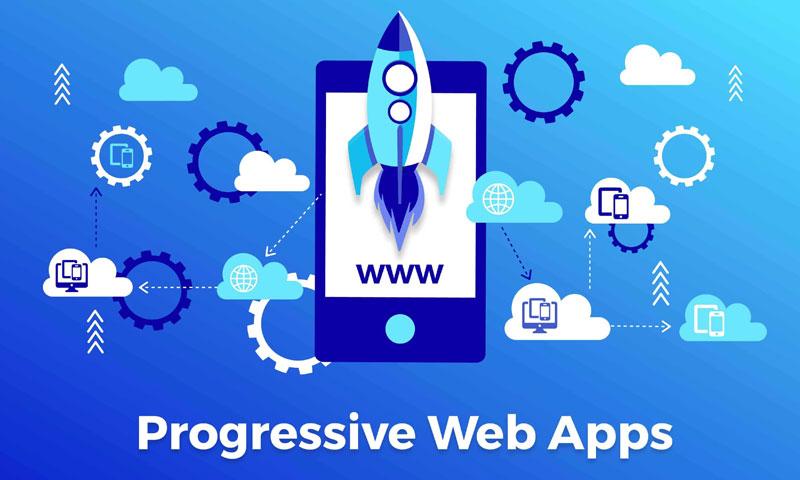
# In recent years, there has been a significant shift in the landscape of web development, with the emergence of Progressive Web Apps (PWAs) gaining momentum. PWAs represent a new approach to building websites that combine the best of web and mobile applications, offering users a seamless and engag
#
In recent years, there has been a significant shift in the landscape of web development, with the emergence of Progressive Web Apps (PWAs) gaining momentum. PWAs represent a new approach to building websites that combine the best of web and mobile applications, offering users a seamless and engaging experience across devices. In this blog post, we'll explore the rise of PWAs, their key features, benefits, and the impact they are having on modern web development.
What are Progressive Web Apps?
Progressive Web Apps are web applications that leverage modern web technologies to provide a native app-like experience to users. Unlike traditional websites, PWAs are built to be reliable, fast, and engaging, with features such as offline support, push notifications, and the ability to be installed on users' devices. They are designed to work on any device and browser, making them accessible to a wide range of users.
Key Features of PWAs:Responsive Design:
PWAs are built to be responsive, ensuring that they adapt seamlessly to different screen sizes and devices, providing a consistent user experience.
Offline Support:
One of the defining features of PWAs is their ability to work offline or with a poor internet connection. This is achieved through techniques such as caching resources and using service workers to intercept network requests.
App-Like Experience:
PWAs offer users an app-like experience, with features such as smooth animations, full-screen mode, and the ability to be launched from the home screen.
Push Notifications:
PWAs can send push notifications to users, keeping them engaged and informed even when they are not actively using the app.
Fast Performance:
PWAs are optimized for speed, with techniques such as lazy loading, code splitting, and image optimization to ensure fast load times and smooth performance.
Security:
PWAs are served over HTTPS to ensure data integrity and security, protecting users' sensitive information from unauthorized access.
Benefits of PWAs:Improved User Engagement:
PWAs offer a more engaging and immersive experience compared to traditional websites, leading to increased user engagement and retention.
Increased Reach:
Since PWAs can be accessed through a web browser, they have a wider reach compared to native apps, which require users to download and install them from an app store.
Cost-Effectiveness:
Building a PWA can be more cost-effective than developing separate native apps for different platforms, as PWAs can run on any device and browser.
Faster Development Time:
PWAs can be built using web technologies such as HTML, CSS, and JavaScript, allowing for faster development time compared to native app development.
Better Performance:
PWAs are optimized for performance, with features such as caching and code splitting to ensure fast load times and smooth performance, even on low-end devices or poor network connections.
SEO Benefits:
PWAs are indexable by search engines, allowing them to be easily discovered and ranked in search results, leading to increased visibility and traffic.
The Impact on Modern Web Development:
The rise of PWAs is reshaping the landscape of modern web development, with developers increasingly adopting PWA principles and techniques to build fast, reliable, and engaging web experiences. As more and more users rely on their mobile devices to access the web, PWAs offer a compelling alternative to traditional websites and native apps, providing the best of both worlds in terms of accessibility, performance, and user experience.
Conclusion:
Progressive Web Apps represent the future of web development, offering a new paradigm for building fast, reliable, and engaging web experiences that work seamlessly across devices. With their key features, benefits, and impact on modern web development, PWAs are poised to become the standard for building web applications in the years to come.
In a world where user expectations are constantly evolving, PWAs offer a solution that meets the demands of modern users for fast, reliable, and engaging web experiences. As developers continue to embrace PWA principles and techniques, we can expect to see even more innovative and immersive web experiences in the future.

 Let's talk about your next project!