Embracing the Future - Exploring the Power of Serverless Computing.
In the realm of web development, agility, scalability, and efficiency are paramount. Traditional server-based architectures have long been the backbone of web applications, but with the advent of cloud computing, a new paradigm has emerged: serverless computing. This revolutionary approach is reshap
In the realm of web development, agility, scalability, and efficiency are paramount. Traditional server-based architectures have long been the backbone of web applications, but with the advent of cloud computing, a new paradigm has emerged: serverless computing. This revolutionary approach is reshaping how developers design, deploy, and manage applications, offering unparalleled flexibility and cost-effectiveness. In this blog post, we'll delve into the world of serverless computing, exploring its principles, benefits, use cases, and best practices.
Understanding Serverless Computing
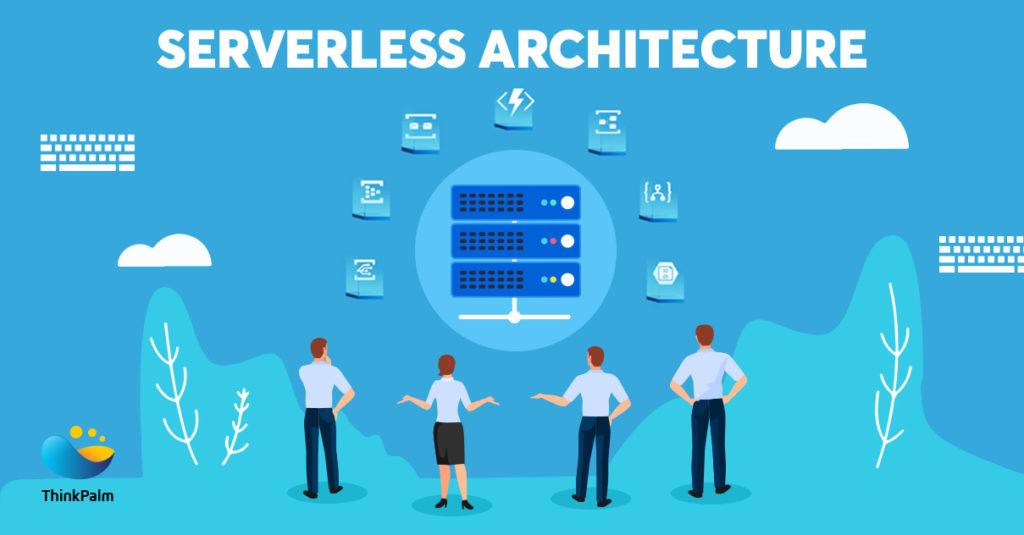
Contrary to its name, serverless computing does not mean there are no servers involved. Instead, it abstracts away the infrastructure management tasks from developers, allowing them to focus solely on writing code to implement business logic. In a serverless architecture, developers deploy functions or small units of code to a cloud provider's platform, which automatically handles the provisioning, scaling, and maintenance of the underlying infrastructure.
At the heart of serverless computing lies the concept of Function as a Service (FaaS). With FaaS, developers write functions that are triggered by specific events, such as HTTP requests, database changes, or timer-based schedules. These functions are stateless, meaning they execute independently and do not maintain any server-side state between invocations. This statelessness enables seamless horizontal scaling, as each function invocation can be handled by a new instance without affecting others.
Benefits of Serverless Computing
1. Scalability: Serverless architectures excel in handling fluctuating workloads. The cloud provider automatically scales the infrastructure up or down based on demand, ensuring optimal performance and resource utilization without any manual intervention.
2. Cost-effectiveness: With serverless computing, you only pay for the actual compute resources consumed by your functions, rather than provisioning and maintaining servers around the clock. This pay-per-execution model can lead to significant cost savings, especially for applications with sporadic or unpredictable traffic patterns.
3. Reduced Operational Overhead: By offloading infrastructure management tasks to the cloud provider, developers can focus on writing code and delivering business value. This reduces the time and effort spent on provisioning, configuring, and maintaining servers, leading to faster development cycles and increased productivity.
4. Fault Tolerance and High Availability: Serverless platforms are inherently resilient to failures, as they automatically handle replication, load balancing, and failover mechanisms. Functions are deployed across multiple availability zones, ensuring high availability and fault tolerance without any additional configuration.
5. Rapid Development and Deployment: Serverless architectures promote a microservices-oriented approach, allowing developers to break down applications into smaller, composable functions. This modularity facilitates rapid development, testing, and deployment cycles, enabling teams to iterate quickly and deliver features faster.
Use Cases for Serverless Computing
• Web and Mobile Backends: Serverless architectures are well-suited for building lightweight APIs and backend services for web and mobile applications. Functions can handle HTTP requests, authenticate users, access databases, and execute business logic, providing a scalable and cost-effective solution for serving dynamic content.
• Event-Driven Workflows: Serverless platforms excel in processing event-driven workloads, such as real-time data processing, stream processing, and batch processing. Functions can be triggered by events from various sources, including message queues, databases, IoT devices, and external APIs, enabling seamless integration and orchestration of workflows.
• Scheduled Tasks and Cron Jobs: Serverless functions can be scheduled to run at predefined intervals using timer-based triggers. This is useful for automating repetitive tasks, such as data backups, report generation, and cleanup operations, without the need for dedicated server instances or cron jobs.
• File and Data Processing: Serverless computing is ideal for processing and transforming large volumes of data, such as image resizing, video transcoding, text parsing, and data validation. Functions can be triggered by file uploads or database changes, allowing for on-demand processing with minimal latency and overhead.
• IoT and Edge Computing: Serverless architectures can be extended to edge locations and IoT devices, enabling lightweight and scalable processing at the edge of the network. Functions can analyze sensor data, trigger alerts, and perform local computations, reducing latency and bandwidth consumption for IoT applications.
Best Practices for Serverless Development
• Design for Scalability: Keep functions small, focused, and stateless to maximize scalability and performance. Avoid long-running or resource-intensive tasks that could impact the responsiveness of your application.
• Optimize Cold Start Times: Minimize cold start times by optimizing function code, reducing dependencies, and leveraging warm-up techniques, such as pre-warming function instances with periodic pings or scheduled invocations.
• Handle Errors and Retries: Implement robust error handling and retry mechanisms to handle transient failures and ensure the reliability of your functions. Use built-in features like dead-letter queues and exponential backoff to manage failed invocations gracefully.
• Monitor and Debug Proactively: Monitor function performance, resource utilization, and error rates using cloud provider's monitoring tools or third-party solutions. Set up alerts for critical metrics and logs to detect issues early and troubleshoot proactively.
• Secure Your Functions: Apply security best practices, such as least privilege access, input validation, and encryption, to protect sensitive data and prevent unauthorized access to your functions. Leverage built-in security features like IAM roles, VPC isolation, and API Gateway authentication to enforce security policies.
Embracing the Future of Computing
Serverless computing represents a paradigm shift in how we design, deploy, and manage applications in the cloud. By abstracting away infrastructure complexity and providing a scalable, cost-effective platform for running code, serverless architectures empower developers to focus on innovation and deliver value to their users faster than ever before. As technology continues to evolve, embracing serverless computing is not just a trend but a strategic imperative for organizations looking to stay competitive in the digital age. So why wait? Dive into the world of serverless computing today and unlock the full potential of the cloud!

 Let's talk about your next project!