Social Media Marketing for FMCG Brands: Winning Strategies in 2025
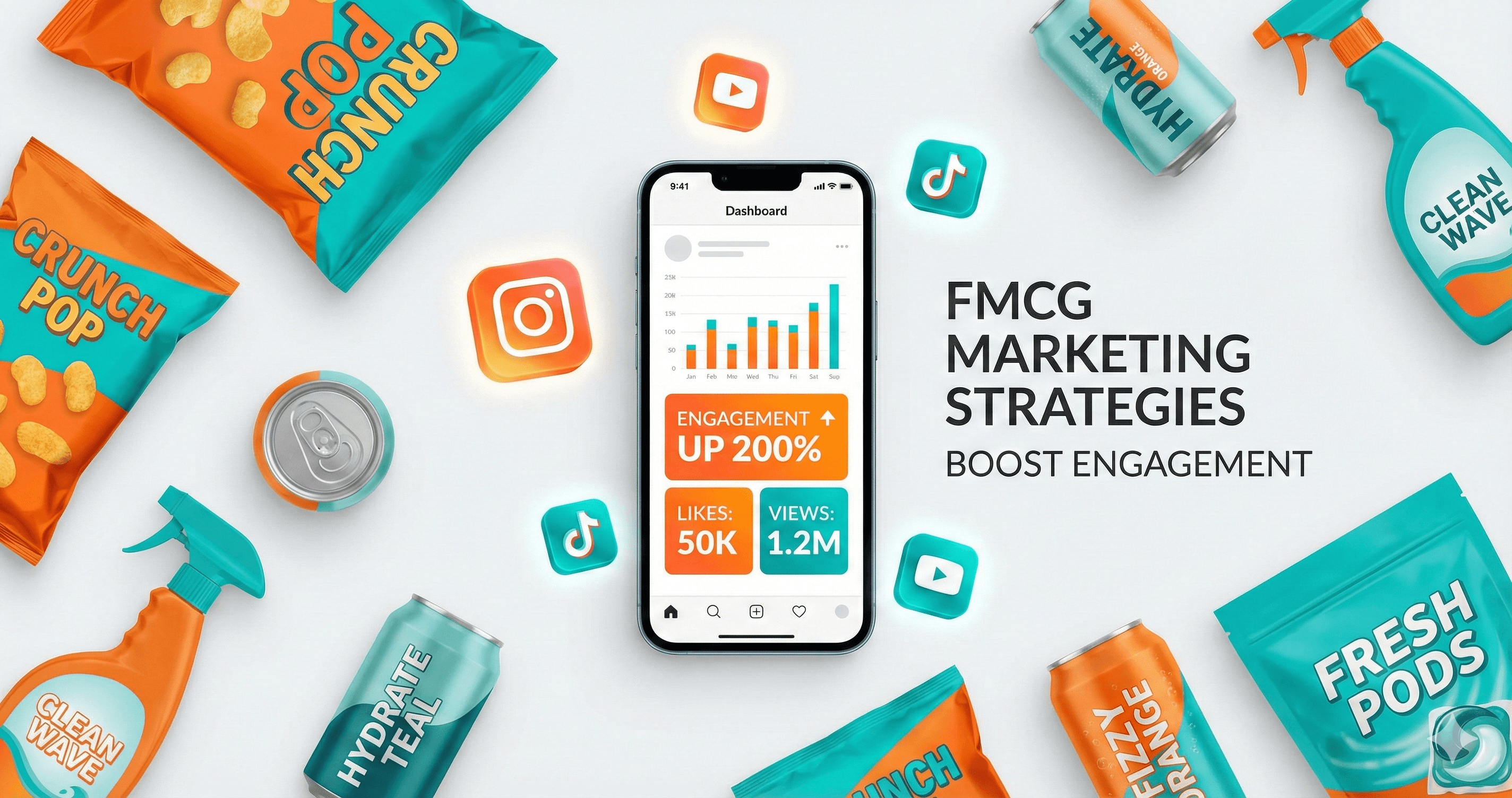
FMCG brands are redefining their social media playbook in 2025. From short-form video dominance to community-driven campaigns, discover the strategies that are helping consumer brands cut through the noise and build lasting customer relationships.
Social Media Marketing for FMCG Brands: Winning Strategies in 2025
The fast-moving consumer goods (FMCG) industry has undergone a dramatic transformation in how it connects with consumers. In 2025, social media is no longer just a brand awareness tool—it's the primary battlefield for customer attention, loyalty, and purchase decisions. Here's how leading FMCG brands are winning on social platforms.
The Shift from Broadcasting to Conversation
Traditional FMCG marketing relied on one-way communication: TV ads, billboards, and print campaigns. Social media has flipped this model entirely. Consumers now expect brands to engage in genuine two-way conversations.
Successful FMCG brands in 2025 are:
- Responding to comments and DMs within hours, not days
- Creating polls and interactive content that invites participation
- Featuring customer stories and user-generated content prominently
- Building community groups around lifestyle themes, not just products
Short-Form Video: The Non-Negotiable Format
Instagram Reels, YouTube Shorts, and TikTok have become the primary content consumption channels for consumers under 45. FMCG brands that aren't producing short-form video content are essentially invisible to a massive segment of their market.
Winning video strategies include:
- Behind-the-scenes factory tours and production processes
- Quick recipe videos featuring food products
- Transformation content (before/after cleaning products)
- Trend participation with brand-relevant twists
- Creator partnerships for authentic product integration
The optimal posting frequency for FMCG brands is 4-7 short-form videos per week across platforms.
Micro-Influencer Networks Over Celebrity Endorsements
The era of paying celebrities millions for single endorsements is fading. Smart FMCG brands are building networks of micro-influencers (10K-100K followers) who deliver higher engagement rates and more authentic recommendations.
Benefits of micro-influencer strategies:
- 60% higher engagement rates compared to macro-influencers
- More cost-effective with better ROI tracking
- Authentic content that resonates with niche communities
- Ability to target specific demographics and regions
- Long-term partnerships that build genuine brand affinity
Building a network of 50-100 micro-influencers often outperforms a single celebrity partnership at a fraction of the cost.
Community Commerce: From Social to Sale
Social commerce features have matured significantly. FMCG brands are now closing sales directly within social platforms through:
- Instagram and Facebook Shops with seamless checkout
- Shoppable posts and stories with product tags
- Live shopping events with real-time purchasing
- WhatsApp Business catalogs for direct ordering
- Influencer storefronts with affiliate tracking
The key is reducing friction between discovery and purchase to as few clicks as possible.
Sustainability Storytelling
Consumers, particularly Gen Z and Millennials, increasingly choose brands aligned with their values. FMCG companies are using social media to transparently communicate their sustainability efforts:
- Packaging reduction initiatives with visual progress updates
- Supply chain transparency through documentary-style content
- Carbon footprint commitments with measurable goals
- Community impact programs with local storytelling
- Recycling and circular economy partnerships
Brands that communicate sustainability authentically—without greenwashing—build stronger emotional connections with conscious consumers.
Real-Time Marketing and Cultural Relevance
The brands winning on social media in 2025 have mastered real-time marketing. They participate in cultural moments, trending conversations, and current events in ways that feel natural and on-brand.
This requires:
- Dedicated social listening tools monitoring trends
- Empowered social teams with quick approval processes
- Pre-approved brand guidelines for rapid response
- A clear understanding of which conversations to join and avoid
- Quick content production capabilities (often mobile-first)
Data-Driven Content Optimization
Leading FMCG brands treat social media as a laboratory for understanding consumer preferences. Every piece of content generates data that informs future strategy:
- A/B testing different creative approaches
- Analyzing engagement patterns by time, day, and format
- Tracking sentiment shifts around product launches
- Monitoring competitor content performance
- Using social insights to inform product development
Conclusion
FMCG brands that thrive on social media in 2025 share common traits: they're conversational rather than promotional, they prioritize video content, they build authentic influencer relationships, and they move quickly to participate in cultural moments. Most importantly, they view social media not as a marketing channel but as a direct relationship with their customers.
The brands that master these strategies will not only capture attention but convert that attention into lasting brand loyalty and measurable business growth.

 Let's talk about your next project!